Emergency Tree Removal Melbourne for Storm-Damaged Trees & Urgent Tree Hazards
A fallen tree, split trunk or hanging branch can turn an ordinary day into an urgent property problem. Tree Removal Werribee helps Melbourne property owners arrange an assessment of damaged trees and discuss the safest practical next step.
Whether a tree has fallen across your driveway, a damaged limb is hanging above a frequently used area, or a storm has left a tree leaning towards your property, explain the situation clearly when contacting our team. Your location, access conditions and the position of the tree help us understand the work required.
Emergency tree work begins with a hazard assessment. The tree's condition, nearby buildings, access, and weather conditions all influence when and how removal can proceed. We discuss the scope, available attendance times and clean-up requirements before work starts.
Keep people and pets away from the affected area. If anyone is injured or in immediate danger, call 000. If a tree is touching or threatening powerlines, stay clear and contact the electricity distributor.
Emergency tree removal involves assessing and addressing a tree-related hazard that requires urgent attention. It may involve removing a fallen tree, dismantling an unstable tree, or removing damaged branches where appropriate.
Situations can include storm damage, a partially uprooted tree, a split trunk or a broken limb suspended within the canopy. The required work depends on the tree's position and condition, and what could be affected if it moves or fails.
An urgent enquiry does not automatically mean the entire tree needs removal. In some cases, removing a damaged section may address the immediate problem. In others, the tree’s condition may require complete removal.
At Tree Removal Werribee, the first objective is to understand the hazard and define a suitable response. Attendance and work timing depend on availability, site conditions and whether the area can be accessed safely.
Emergency services
Types of Emergency Tree Removal Services in Melbourne
Storm-Damaged Tree Removal
Strong winds and severe weather can leave trees with broken branches, split stems or disturbed root systems.
We assess the visible damage, surrounding property and access before discussing removal. Trees that remain standing after a storm may still need attention if their structure has changed.
We assess the visible damage, surrounding property and access before discussing removal. Trees that remain standing after a storm may still need attention if their structure has changed.
Fallen Tree Removal
A fallen tree can block a driveway, cover a garden or obstruct access to a property.
The removal plan considers where the tree has landed, whether it is resting against another object and how its sections can be handled. Damage to buildings, services or vehicles may require coordination with other professionals.
Hanging & Broken Branch Removal
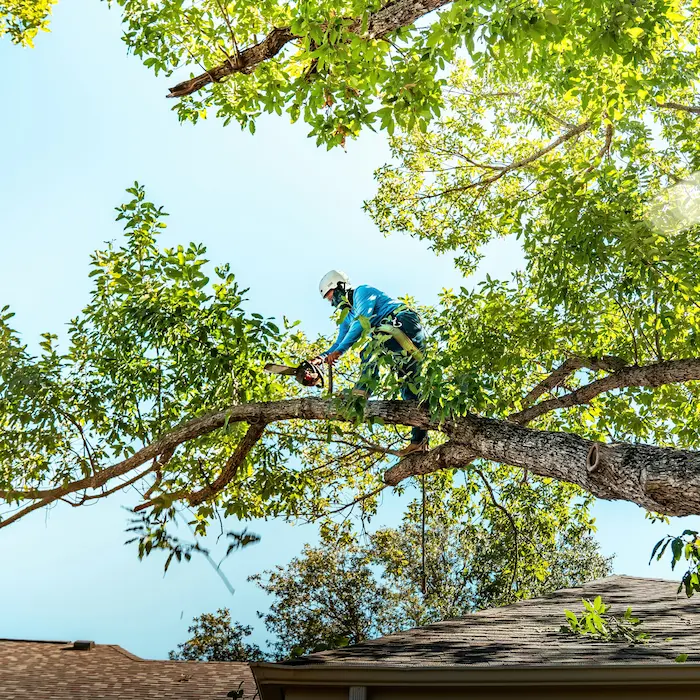
A broken branch caught in a tree can create a hazard above paths, entrances or outdoor areas.
Avoid walking beneath it or attempting to pull it down. Assess the branch’s position and the supporting tree's condition before removal.
Partially Uprooted Tree Assessment
A tree with a disturbed root plate or newly exposed roots may require urgent inspection.
Tell us if you have noticed fresh ground movement, lifting soil or a sudden change in the tree’s position. Keep the surrounding area clear while we assess the situation.
Split Trunk & Damaged Stem Removal
A split trunk or damaged major stem can affect a tree’s stability.
We assess the damaged section and its relationship to the rest of the tree before determining whether partial or complete removal is appropriate.
Trees Blocking Driveways & Entrances
A tree across a driveway or entrance can prevent normal access.
Explain whether anyone is unable to enter or leave the property and whether another access route is available. This information helps clarify the urgency and scope.
CeilingsTrees Fallen Against Buildings or Fences
Trees resting on a roof, shed, fence, or other structure require careful planning.
Removing a section can change how the remaining tree and damaged structure are supported. Building repairs are separate from tree removal and may need another qualified professional.
Commercial Property Tree Hazards
Damaged trees can affect access and operations at commercial premises, managed properties and shared outdoor areas.
We discuss the affected space, pedestrian or vehicle movements and site access arrangements before defining the work.
Configurations
Emergency Tree Removal Options & Work Configurations
Targeted Branch Removal
Removal of a damaged or hanging branch where assessment shows that this addresses the immediate hazard.
Partial Tree Dismantling
Removal of affected sections where the work can be limited to part of the tree.
Complete Tree Removal
Removal of the tree where its condition and the surrounding site make this the appropriate option.
Fallen Tree Sectioning
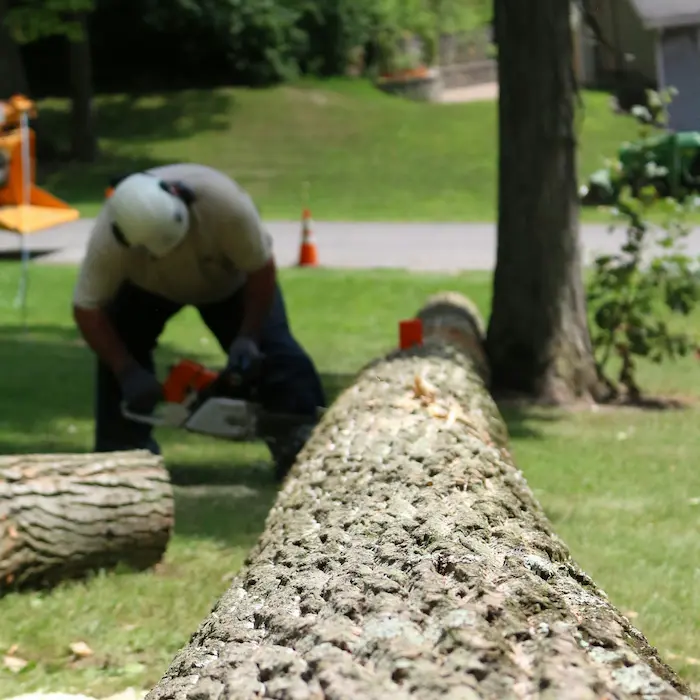
Divide a fallen tree into manageable sections based on its position, loading, and access conditions.
Immediate Hazard Work with Later Clean-Up
Where appropriate, urgent hazard work and remaining clean-up can be quoted as separate stages. Confirm what each stage includes.
Debris & site finish
Emergency Tree Removal Debris & Clean-Up Options
Emergency tree removal can leave branches, logs, foliage and a stump. Agreeing on debris handling helps establish the final condition of the site.
Emergency Tree Removal Finish
Description
Common Uses
Important Considerations
Branch and Debris Removal
Removal and disposal of smaller branches, leaves, and loose tree debris left after emergency tree work
Storm damage cleanup, fallen branches, and clearing areas after hazardous tree removal.
Confirm whether all accessible debris removal is included in the service.
Wood chipping
Processing suitable branches and smaller timber into wood chips using professional equipment.
Reducing large amounts of branch waste after storm events or emergency removals.
Decide whether chips will remain on-site or require complete removal.
Trunk and Log Removal
Cutting, handling, and removing larger trunk sections from the property.
Removing fallen trees, damaged trunks, or large sections left after emergency removal.
Consider site access, equipment requirements, and additional handling costs.
Timber Left On-Site
Keeping selected sections of usable wood at an agreed location on the property.
When property owners want to keep logs for firewood, landscaping, or other uses.
Confirm log sizes, placement area, and who is responsible for future handling.
Stump Left in Place
Leaving the remaining stump after the emergency tree removal process.
Suitable when immediate stump removal is not required or planned for later.
Discuss stump height, safety concerns, and future removal options.
Emergency Stump Grinding
Grinding the remaining stump below ground level to clear the area
Preparing the space for landscaping, construction, lawn restoration, or safer access.
Confirm grinding depth, disposal of stump material, and any surface repairs needed.
Final Site Clean-Up
Clearing the work area and leaving the property in an agreed condition after removal.
Completing emergency tree removal projects with a tidy and safe final result.
Check whether lawn repairs, soil replacement, or landscape restoration are included.
Planning the response
Planning Emergency Tree Work Around Your Melbourne Property
Immediate Risk
Explain what the tree is affecting and whether people can stay away from the area. A blocked garden is a different situation from a tree threatening an occupied building.
Tree Position & Damage
Tell us whether the tree is standing, leaning, partly uprooted or already on the ground. Photos taken from a safe location can help with the initial assessment.
Nearby Buildings & Structures
Roofs, fences, sheds, retaining walls and neighbouring properties can influence the removal method and equipment required.
Powerlines & Other Services
Report any nearby powerlines or damaged services when you call. Tree work near electrical infrastructure requires appropriate coordination; do not approach the tree to obtain closer photographs.
Site Access
Gate widths, driveways, steps and parking space influence equipment access. Let us know about restrictions before attendance.
Weather & Working Conditions
Ongoing wind, lightning or other unsafe conditions may prevent work from starting immediately. The response must account for the conditions on site.
Permissions & Property Boundaries
Tell us who owns the tree and whether it is on a boundary or neighbouring property. Any applicable permission requirements need to be clarified for the site.
Step by step
Our Emergency Tree Removal Process in Melbourne
1
Urgent Enquiry
Provide your location, contact details and a clear description of the tree damage.
2
Initial Situation Review
We discuss the tree’s position, affected areas and any immediate concerns involving people, buildings or services.
3
Safe Photo Review
Where available, photos taken from a safe distance help us understand the site. Do not enter the hazard area to take them.
4
Attendance Arrangements
We confirm available attendance times and explain whether further information or coordination is needed.
5
On-Site Assessment
We assess the tree, surrounding structures, and access conditions before planning work.
6
Scope & Quotation
We explain the proposed removal work, equipment requirements and debris arrangements.
7
Work Area Preparation
We organise access and the work area around site conditions and the agreed method.
8
Controlled Tree Work
We remove damaged branches or tree sections according to the assessed scope.
9
Debris Handling
Branches, logs and other material are managed as specified in the quotation.
10
Final Review & Follow-Up
We review the completed work, including any remaining stump, clean-up, or separate property repairs.
Emergency Tree Removal Equipment, Techniques & Site Care
Controlled Sectional Removal
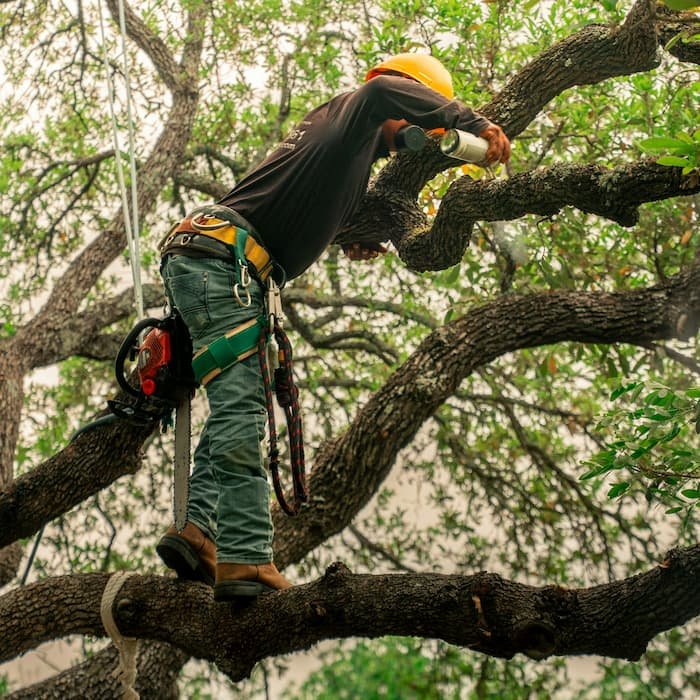
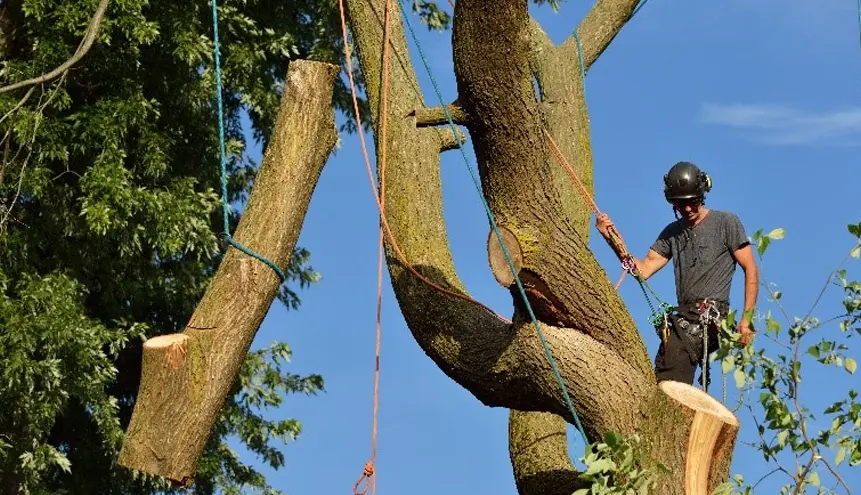
Where space is limited, a tree may need to be dismantled in sections. The method depends on the damage and whether the remaining structure can support the proposed work.
Cutting Equipment
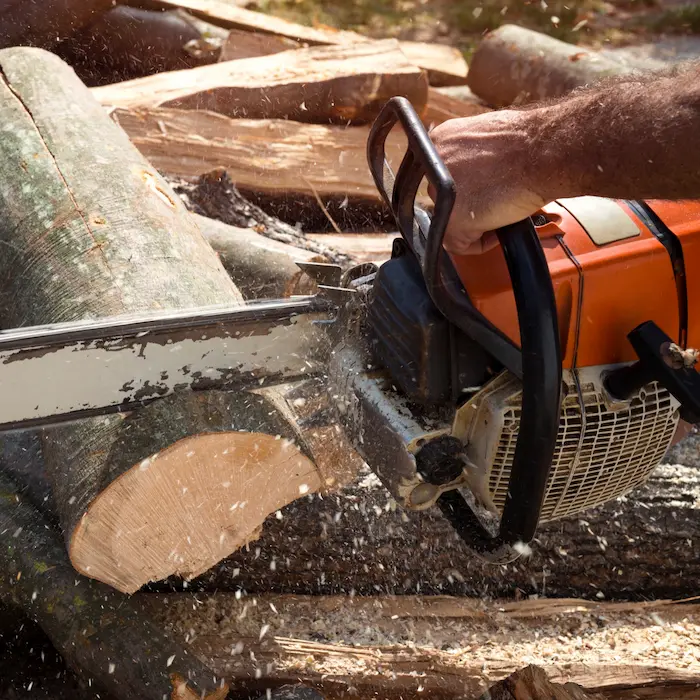
Equipment is selected based on the timber, access, and removal plan. Damaged or fallen trees require assessment before cutting begins.
Rigging & Lowering Equipment
Where appropriate, ropes and lowering systems help manage sections around nearby property features.
Elevated Access Equipment
Some sites may require an elevated work platform or other access equipment. Suitability depends on the available space and ground conditions.
Lifting & Handling Equipment
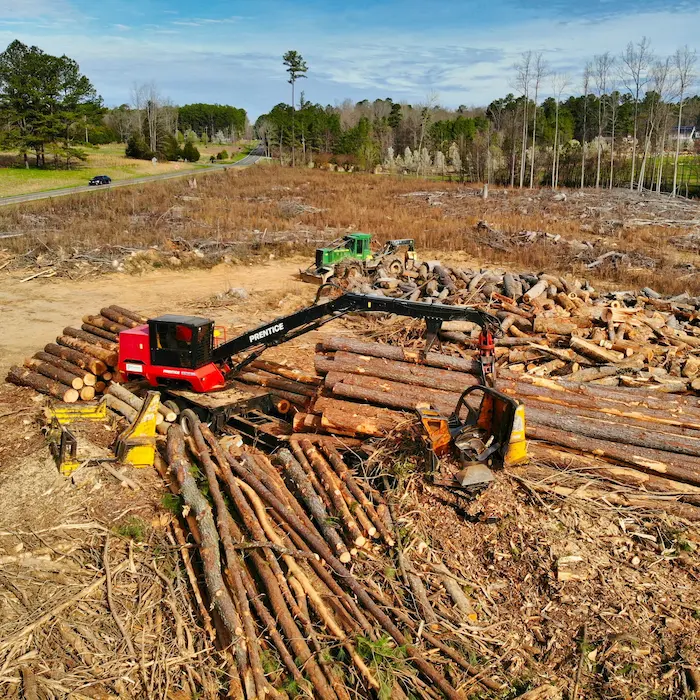
Large sections or trees resting on structures may require additional handling equipment. These requirements should be identified in the scope.
Work Area Control
People, vehicles, and pets must remain outside the work area. Commercial sites may also require access arrangements with the property manager.
Debris Processing
Chipping and log handling are planned around the available working space and agreed disposal requirements.
Site Clean-Up
Clean-up is completed within the quoted scope, with any remaining repairs or reinstatement identified separately.
Local coverage
Emergency Tree Removal Enquiries Across Melbourne
Contact Tree Removal Werribee to confirm service availability and attendance times in your suburb.
Emergency Tree Removal Pricing in Melbourne — What Should You Expect to Invest?
Emergency tree removal costs depend on the damage, access and work required. The height of the tree alone does not establish the price.
Project characteristic
How it affects the quotation
Fallen tree with open access
May allow more straightforward handling.
Hanging or suspended branches
Requires assessment of access and removal method.
Tree resting on a structure
Adds handling complexity and coordination needs.
Restricted site access
May affect equipment selection and work time.
Large timber sections
Can require additional lifting or transport.
Extensive debris removal
Adds processing, loading and disposal work.
Urgent or after-hours attendance
May affect pricing where available.
Stump grinding
Adds a separate scope unless included.
Emergency tree removal requirements can vary significantly depending on the tree size, location, access conditions and level of risk involved. Storm damage, fallen branches, restricted access and additional debris can also affect the overall scope of work. Each emergency situation should be assessed individually so the required removal, clean-up and site management can be clearly established.
What Should the Quote Include?
The quotation should describe the tree work, equipment requirements, debris handling and final clean-up arrangements.
Ask whether the price includes stump grinding, timber removal and any return visit. Also clearly identify any separate property repairs.
Why We Assess Each Emergency Individually
A tree lying in an open garden may require a different approach than a similarly sized tree on a roof. Damage, support points, access and nearby services influence the removal plan.
Emergency Tree Removal Melbourne Frequently Asked Questions
What counts as a tree emergency?
A tree-related situation that creates an immediate or urgent hazard may require emergency assessment. Examples include a fallen tree blocking essential access, a hanging branch or a damaged tree threatening an occupied area.
What should I do while waiting for an assessment?
Keep people and pets away from the affected area. Avoid standing beneath damaged branches or attempting to move the tree yourself.
Do you provide 24-hour emergency tree removal?
Contact our team to confirm current availability. Attendance times and after-hours options need to be confirmed for your enquiry.
How quickly can you attend?
Attendance depends on your location, demand, site conditions and available resources. We confirm the available response time when reviewing your enquiry.
Can you remove a tree touching powerlines?
Stay clear and contact the electricity distributor. Tree removal arrangements must account for the electrical hazard before work proceeds.
Does every storm-damaged tree need removal?
No. Assessment may identify a suitable option involving removal of damaged branches or sections. Complete removal depends on the condition of the surrounding site.
Can you remove a tree that has fallen onto my roof?
The situation requires assessment of the tree, structure and access. Additional equipment or coordination with building professionals may be necessary.
Will my insurance cover emergency tree removal?
Coverage depends on your policy and circumstances. Contact your insurer to confirm requirements, authorisation and documentation.
Do I need council permission?
Requirements depend on the property and applicable tree controls. Clarify the relevant requirements for your site rather than assuming emergency circumstances remove every approval obligation.
Is stump removal included?
Only when specified in the quotation. Emergency tree work may address the immediate hazard while leaving stump grinding for a separate visit.
What information should I provide when calling?
Give your suburb, the tree’s position, the damage you can see from a safe location, affected structures and any nearby powerlines. Include safe photos and access details where available.
Next step
Need an Emergency Tree Removal Assessment in Melbourne?
Contact Tree Removal Werribee to discuss a fallen tree, storm-damaged tree or urgent branch hazard affecting your property.
We review the situation, confirm available attendance and explain the assessment process. A clear scope helps you understand the tree work, debris handling and any separate follow-up requirements.
Tree Removal Werribee
Emergency tree removal enquiries for Melbourne properties.
Request an Urgent Assessment
Provide your location, a description of the damage and photos taken from a safe distance.
Call Our Team
Explain what the tree is affecting and whether access to the property is restricted.
What Happens Next?
We review your enquiry, confirm availability and arrange the appropriate next step for the site.