Residential Hedge Trimming
Maintain hedges around front gardens, backyards, courtyards and outdoor living areas.
The scope considers the hedge’s condition, desired appearance and relationship to nearby paths, fences and garden beds.
An overgrown hedge can narrow a pathway, obscure an entrance or make an otherwise maintained garden look untidy. Tree Removal Werribee helps Melbourne property owners plan hedge trimming around the plants, their condition and the appearance they want to achieve.
Whether you need a boundary hedge tidied, a privacy screen maintained or several hedges shaped across a property, the work starts with understanding what can be trimmed appropriately. Hedge species, existing growth, access and previous maintenance all influence the approach.
We discuss the proposed height, width and shape before work begins, along with clipping removal and any access requirements. For neglected hedges, a staged approach may suit better than a substantial reduction in one visit.
From residential gardens to suitable commercial grounds, the aim is a clearly defined service that balances presentation, practical access and ongoing hedge care.
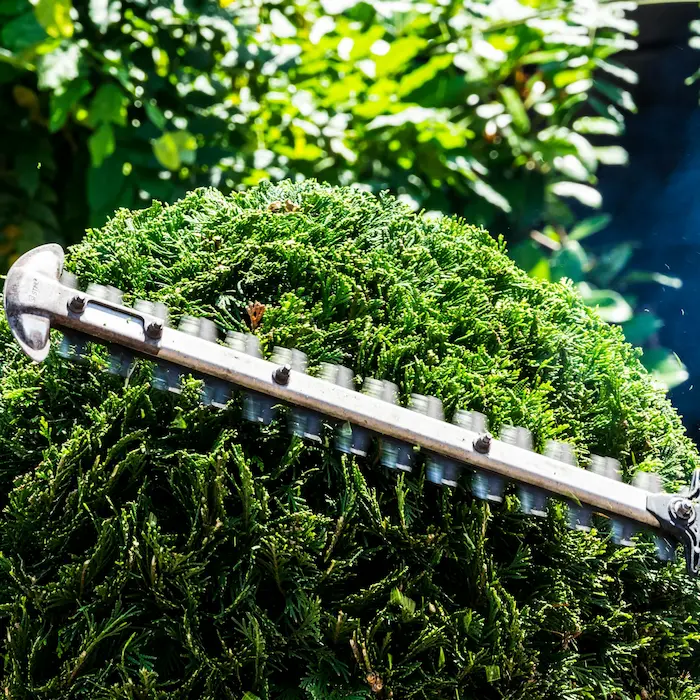
Hedge trimming involves cutting selected growth to maintain a hedge’s shape, dimensions and presentation.
The work can include trimming the sides, levelling the top and tidying growth around paths, entrances or other garden features. The appropriate amount of trimming depends on the plant species, condition and intended result.
Routine trimming differs from substantial hedge reduction. Maintaining recent growth is a different task from lowering a tall, neglected hedge or cutting deeply into established branches.
Some hedges have limited foliage beneath their outer growth. A heavy cut can expose bare sections, so we show the proposed result before work begins.
At Tree Removal Werribee, we discuss whether your hedge needs a maintenance trim, reshaping or a separately assessed reduction.
Maintain hedges around front gardens, backyards, courtyards and outdoor living areas.
The scope considers the hedge’s condition, desired appearance and relationship to nearby paths, fences and garden beds.
A boundary hedge can become difficult to manage when it grows beyond its intended dimensions.
We discuss the accessible sides, agreed finish and any arrangements required where growth extends towards a neighbouring property.
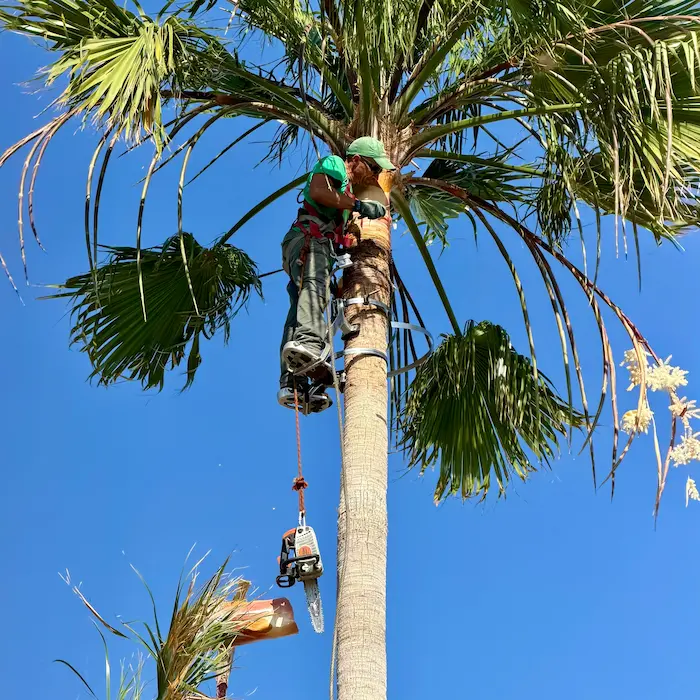
Privacy hedges need trimming that reflects their screening purpose.
Before cutting, we discuss the height and density you want to retain. Substantial reductions may change the screening effect and need careful consideration.
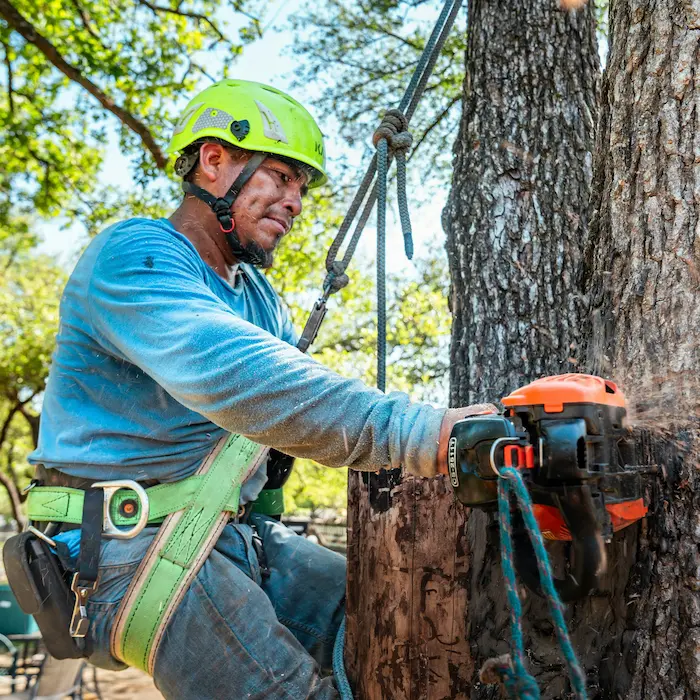
Formal hedges can be trimmed to maintain a defined top and consistent sides.
The achievable finish depends on the hedge’s existing structure, gaps and growth. Uneven or neglected hedges may need more than one maintenance visit.
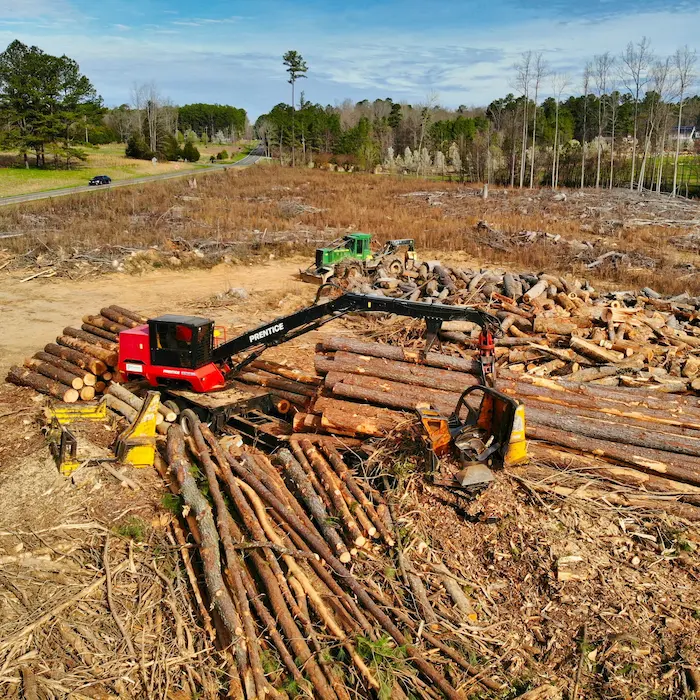
Tall hedges require assessment of working height, access and available equipment.
Provide photographs showing the whole hedge and surrounding space so the access requirements can be reviewed.
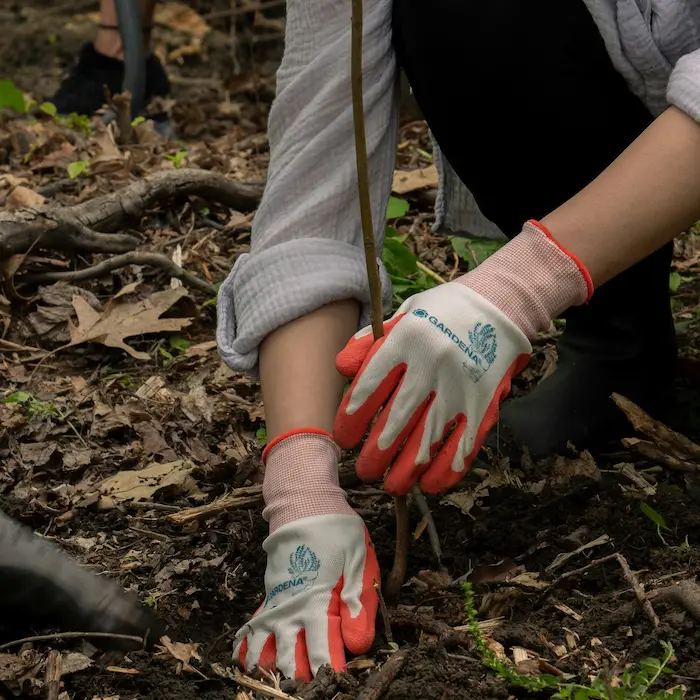
An overgrown hedge may need more than a routine trim.
We assess the requested reduction against the species, condition and existing foliage before defining the work. A staged plan may be appropriate where a large change is requested.
Growth beside a driveway, path or entrance can reduce usable space.
The proposed trim considers the clearance required and how much growth can be removed within the agreed scope.
Hedge maintenance enquiries may involve offices, managed properties, business entrances and landscaped common areas.
We discuss scheduling, pedestrian access, and clipping removal before confirming the work.
A trim focused on maintaining the hedge’s established dimensions and removing selected recent growth.
A coordinated trim covering the agreed top and accessible sides.
Suitable where the hedge’s height is being retained but outward growth needs attention.
A defined finish where the hedge’s structure and growth support the requested shape.
A softer finish that suits the garden design and the plants being maintained.
Agreeing on clipping removal and the intended shape helps establish what the completed service includes.
| Option | What It Involves | Typical Applications | What To Confirm |
|---|---|---|---|
| Maintenance Trim | Trimming selected hedge growth to maintain the existing shape and appearance. | Regular hedge maintenance where the current height and form are suitable. | Desired height, width and sections requiring trimming. |
| Top Levelling | Cutting the hedge top to create a consistent and even line. | Established hedges where a uniform top profile is preferred. | Whether the existing hedge growth allows an even finish. |
| Side Shaping | Trimming accessible hedge sides to improve neatness and structure. | Maintaining boundaries, pathways, driveways and garden edges. | Access conditions, property boundaries and required sides. |
| Hedge Reduction | Reducing the overall height, width or size of an overgrown hedge. | Large or unmanaged hedges requiring a smaller and more practical shape. | Suitable reduction amount and expected appearance after trimming. |
| Formal Hedge Shaping | Detailed trimming to create defined lines, angles and consistent forms. | Decorative gardens, screening hedges and properties requiring a precise appearance. | Desired design, maintenance frequency and hedge condition. |
| Clippings Collection | Gathering trimmed branches, leaves and hedge waste after the work. | Properties where a clean garden area is preferred after trimming. | Whether green waste removal is included in the service. |
| Clippings Retention | Leaving trimmed material in an agreed location for property owners to manage. | Where owners plan to compost or handle garden waste themselves. | Placement area, quantity and responsibility for disposal. |
| Work Area Clean-Up | Removing loose debris and tidying surrounding areas after hedge work. | Final preparation around pathways, lawns, garden beds and outdoor spaces. | Areas included in the final clean-up scope. |
The aim is to balance hedge health, appearance, desired dimensions, access requirements and the character of the surrounding property.
Species influences suitable trimming depth, timing and the likely response to substantial cutting. Identify the plant where possible, or provide clear photographs.
Approximate dimensions help establish the work and equipment required. Include the hedge’s full length when requesting a quote.
Explain whether you want a light tidy, a formal shape, more pathway clearance or a reduction. These are different scopes.
Sparse foliage, previous heavy cuts and damaged sections can affect the result. Mention known concerns before work is quoted.
Specify how much screening you want to retain, particularly where the hedge faces a road or neighbouring property.
Steps, slopes, fences, pools and narrow garden beds can limit access. Tall hedges may require additional working space.
Clarify ownership and access where the hedge sits along a boundary. Make any necessary arrangements before attendance.
Discuss how frequently the hedge has been trimmed and what level of maintenance you want going forward.
The aim is to balance appearance, practical use, maintenance and the character of the property.
Tell us your suburb, hedge dimensions and the result you want.
Provide photographs of the full hedge, its condition and the surrounding work area.
We review the plants, existing shape, and requested cut.
We identify the agreed height, width, sides, access requirements, and clipping arrangements.
Arrange access and consider nearby garden features before trimming starts.
Where included, we trim the top to the agreed finish.
Accessible sides are trimmed within the assessed scope.
The hedge is reviewed for consistency, with accessible stray growth addressed where appropriate.
Material is collected, retained or removed according to the quotation.
We review the completed trim and recommend any follow-up maintenance.
Hedge trimming depends on the right equipment, controlled cutting techniques and careful site management to achieve a clean, consistent finish.
We select equipment based on hedge size, growth, and access conditions.
Selected branches or detailed areas may require individual cuts rather than a general surface trim.
Some taller hedges may suit extended-reach tools. Working height and access still require assessment.
Additional access arrangements may be needed where the hedge cannot be reached appropriately from ground level.
The agreed finish guides the trimming, with existing hedge structure and ground levels considered.
Reduction work is defined separately from a routine trim so the intended cutting and expected appearance are clear.
Collection methods are planned around the hedge, garden beds and surrounding surfaces.
The agreed work area is tidied after trimming. Broader garden clearing or removal of pre-existing debris should be specified separately.
Contact Tree Removal Werribee to confirm availability in your suburb and discuss your hedge maintenance requirements.
Removal may be appropriate where a tree has failed, has defects that cannot reasonably be managed or conflicts with an authorised property project. The decision should consider its condition and any practical retention options.
View servicePruning can address selected branches while retaining a suitable tree. The objective may be clearance over a path, deadwood management, or treatment of a damaged limb.
View serviceAn unwanted stump can obstruct mowing, occupy planting space or disrupt a garden redesign. Grinding reduces the stump to an agreed depth, depending on equipment access and surrounding conditions.
View serviceA fallen tree, hanging branch or storm-damaged trunk can require urgent attention. Contact us with the address, visible damage and whether people or access routes are affected.
View servicePalm work needs planning around the crown, trunk and surrounding structures. A palm beside a fence, roof or paved area may need a different approach from one in open ground.
View serviceConcerned about a tree’s condition, planning changes to your property or need documentation for a tree-related application?
View serviceLand clearing requires a defined area and confirmation of the vegetation authorised for removal. Identify trees and features to be retained before planning equipment access or disposal.
View serviceA tree assessment can help clarify conditions and available management options. A written report may be useful where you need documented advice or information for a planning application.
View serviceReplacement planting should suit the available growing space and the result you want. Shade, screening and an ornamental feature can call for different selections.
View serviceCommercial tree work needs to consider staff, visitors, deliveries, and how a property operates. Entrances, parking areas and shared paths can affect scheduling and work-area arrangements.
View serviceCosts depend on the hedge’s length, height, width and condition, along with access and clipping removal. A light maintenance trim differs from a substantial reduction.
| Project Characteristic | How It Affects The Quotation |
|---|---|
| Short Hedge With Clear Access | May require less working time, equipment and preparation. |
| Long Or Wide Hedge | Increases the overall trimming area and labour requirements. |
| Tall Hedge | Adds height, reach and access requirements during the trimming process. |
| Dense Or Overgrown Growth | Can increase cutting time, equipment needs and material handling. |
| Formal Hedge Shaping | Requires additional attention to achieve the agreed lines, angles and final appearance. |
| Restricted Access | May affect equipment options, movement around the property and overall working time. |
| Clipping Removal | Adds collection, transport and disposal requirements after trimming. |
| Multiple Hedge Areas | Requires assessment of the combined trimming scope, size and maintenance requirements. |
Hedge trimming requirements vary depending on the hedge species, height, width, growth density and desired final shape. Access conditions, the amount of reduction, clipping removal and site clean-up can also affect the overall scope. Each hedge should be assessed individually so the required trimming method and finished appearance are clearly understood.
The quotation should identify the hedges, sides being trimmed, agreed dimensions and clean-up arrangements. Confirm access equipment, clipping removal and any reduction work before booking.
Two hedges of similar length can require different amounts of work. Height, width, condition and access all affect the service.
Frequency depends on the species, growth and appearance you want to maintain. Discuss a schedule suited to your hedge.
The requested reduction needs assessment. Species, condition and existing foliage influence what is appropriate.
That depends on access, ownership and the agreed arrangements. Clarify these before booking.
Not necessarily. Existing gaps and sparse sections may need separate assessment and a longer-term management approach.
Only where specified in the quotation. Confirm whether material will remain on site or be taken away.
A side trim may be suitable where the height is being retained. The scope should state which surfaces will be trimmed.
They may. Provide dimensions and access photographs so the requirements can be reviewed.
Sometimes a staged approach is more suitable. The expected result should be discussed after assessment.
Contact us with the site details to confirm suitability, access and scheduling.
Recurring visits can be discussed around the hedge’s needs and service availability.
Provide your suburb, approximate hedge dimensions, photographs, desired result and whether you need clipping removal.
Contact Tree Removal Werribee to discuss your hedge’s condition, dimensions and preferred finish.
Whether you need a routine tidy, formal shaping or an assessment of an overgrown hedge, a clear scope helps establish the work and clean-up required.
Tree Removal Werribee Hedge trimming enquiries for Melbourne properties.
Send photographs, hedge dimensions and your location.
Discuss the shape you want, access restrictions and maintenance requirements.
We review your enquiry, clarify the proposed trimming and provide a quotation for the agreed scope.